Sluice Gate Failure at Flood Storage Reservoir – Emergency Response and Remedial Actions

Basic details

Publish date

26 November 2025

Case ID#

3352

Title

Sluice Gate Failure at Flood Storage Reservoir – Emergency Response and Remedial Actions

Nation

Wales

Regulator reference no.

78

Legal status

Statutory

Reservoir type

Impounding

Reservoir capacity

100,000 - 499,999m3

Year of construction

1950 - 1969

Main construction type

Earth fill embankment

Dam height

0 - 1.99 metres

Dam flood category

A

Hazard class

High-risk reservoir

Reservoir use

  • Flood risk management

Owner type

Public body

Incident details

Date & Time of incident

18 November 2024 - 12:00

Date incident closed

19 November 2025

Observations that caused the incident to be declared

  • Unexpected leakage or seepage from a known leakage point
  • Water flowing outside of engineered channels

Describe the incident

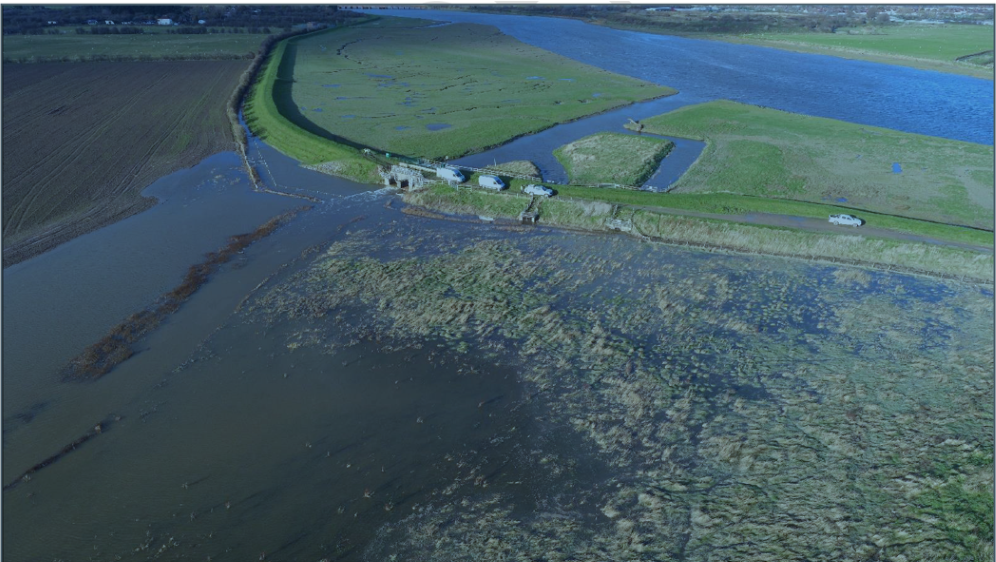
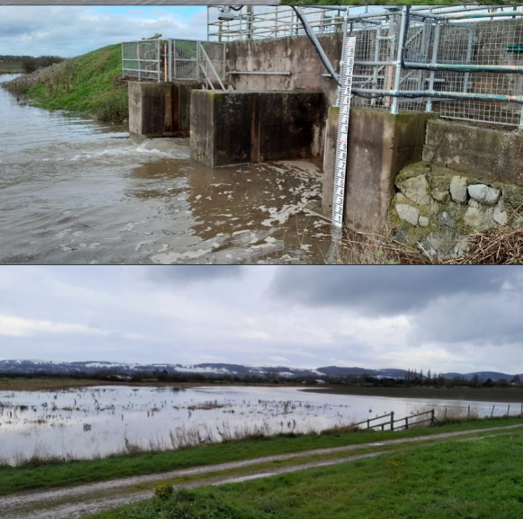
Undertaker was notified of an ingress of water on land upstream of the main embankments. On inspection it was apparent that a tidal sluice gate had detached completely allowing an ingress of water onto fields behind the embankments during high tides. While the sluice gate did not directly release water, the 2016 Regulations (Wales) require reporting where an incident 'could result' in an uncontrolled release and where emergency measures are taken to prevent escalation.

Supporting photos

Causes and impacts

Natural processes which initiated or contributed to the incident

  • Other natural process (describe below)

What were the main contributing factors to the incident occurring?

Dam factors

  • Failure or damage to gates / valves
  • Other dam factors (describe below)

External factors

  • Other external factors (describe below)

Shortcomings

  • Maintenance shortcoming

What was the root cause of the incident?

Corrosion and wear of sluice gate bolts over decades, leading to detachment during high tide.

Impacts on the reservoir

  • Other (describe below)

Supporting photos

Supporting contributions and studies

Describe any human factors which influenced the incident

Lack of clear responsibility and governance; delays caused by alignment with local strategy and funding constraints; previous defects recorded but not addressed promptly.

Describe any instrumentation at the reservoir and how this was used in warning of the incident or providing monitoring during the incident

None: Bi-annual asset inspections and monthly checks by undertaker; statutory Section 10 and Section 12 reports by qualified engineers. Visual inspections were regular but did not prevent failure; post-incident improvements include installation of cameras for real-time monitoring.

Was instrumentation effective leading up to and during the incident?

Not Applicable

Describe any assistance by external parties and impacts on the downstream population

Engineering support from SE, ARPE, and contractors; no significant downstream flooding; low likelihood of wider impacts.

Summary of studies or investigations undertaken

Site investigations and asset inspections; no major hydraulic or geotechnical studies reported.

Supporting photos

What are the lessons learnt from the incident

Lesson 1

Need for timely intervention and clear governance; undertaker posed questions regarding proportionate categorisation of incidents under Section 21B; explore cost-effective interim solutions rather than waiting for strategic schemes.

Lesson 2

Lesson 3

Lesson 4

Closing comments

In this case, the structural failure compromised the reservoir's ability to manage water safely, and under adverse conditions (high tide combined with flood inflows), there was a credible risk of uncontrolled water movement. Emergency actions were implemented promptly, which aligns with the intent of Section 21B.

Supporting photos