Flooding from failure to manually close flood gates on flood storage reservoir

Basic details

Publish date

05 December 2025

Case ID#

3356

Title

Flooding from failure to manually close flood gates on flood storage reservoir

Nation

England

Regulator reference no.

534

Legal status

Statutory

Reservoir type

Impounding

Reservoir capacity

100,000 - 499,999m3

Year of construction

1990 - 2009

Main construction type

Earth fill embankment

Dam height

2 - 4.99 metres

Dam flood category

B

Hazard class

High-risk reservoir

Reservoir use

  • Flood risk management

Owner type

Public body

Incident details

Date & Time of incident

24 November 2024 - 12:00

Date incident closed

25 November 2024

Observations that caused the incident to be declared

  • Other (including pollution and unplanned scour release)

Describe the incident

Operatives attended the reservoir on Sunday, 24th November, at approximately 21:30, within 2.5 hours of the telemetry system issuing a trigger level alert. Under normal conditions, this trigger level provides approximately 6 hours of lead time to allow for the sequential closure of the flood gates. However, on this occasion, the reservoir water level rose significantly faster than expected and had already exceeded the flood gate threshold by the time operatives arrived on site.

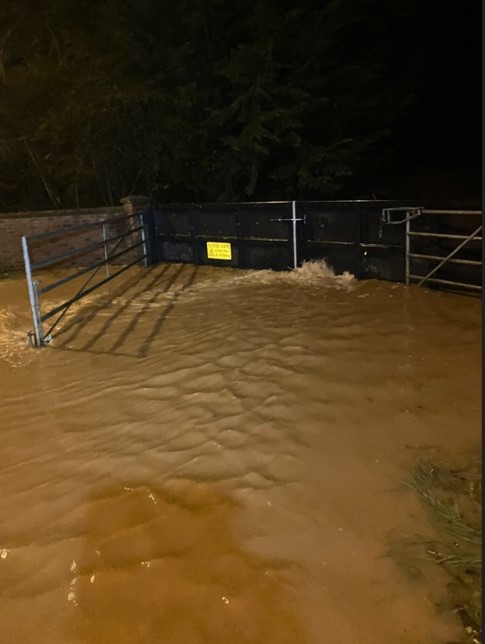
Upon arrival, operatives successfully closed and secured gates 1, 2, 3 and 4. However, gates 5 and 6 (double leaf flood gates) could not be fully closed and secured due to the excessive hydraulic pressure acting through the gate opening. The force of the water prevented these gates from reaching their normal sealing positions.


Additionally, due to elevated water levels in the gate openings, the bottom seals for gates 1, 2 and 3 could not be properly fitted into their respective channels, resulting in leakage beneath these gate

Supporting photos

Flood waters coming through gate
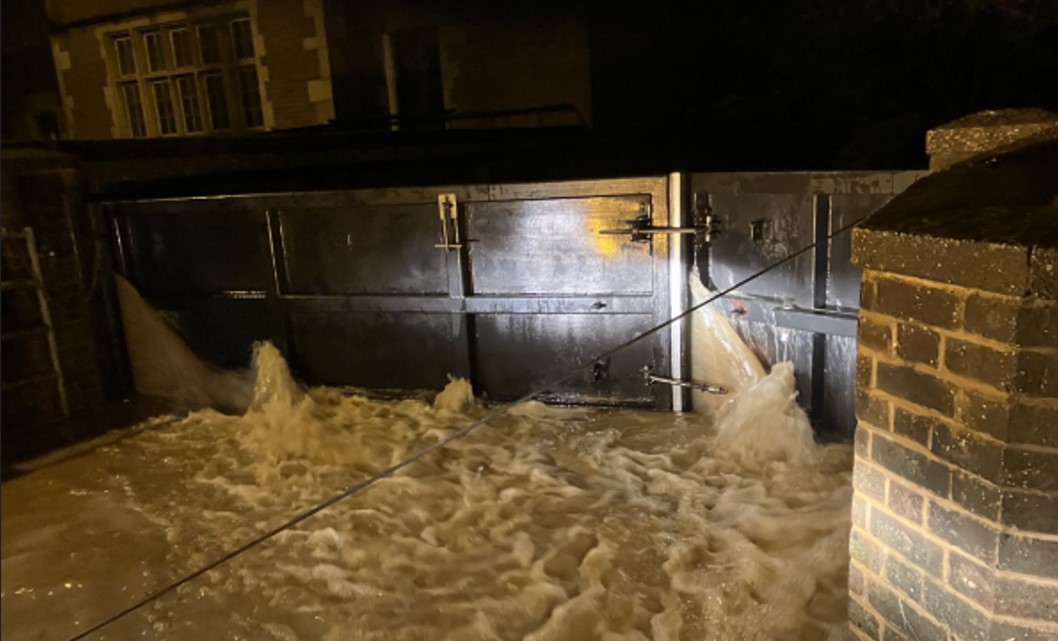
Photo of flood water - supporting image
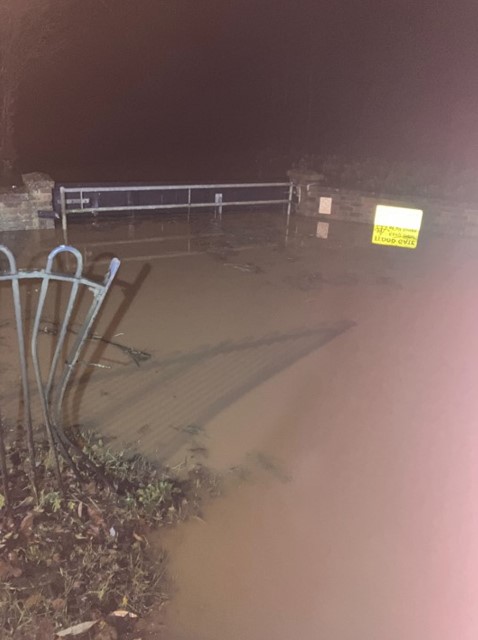
Floodwaters behind flood gates
Photo of flood water - supporting image
Flood waters behind flood gate
Photo of flood water - supporting image

Causes and impacts

Natural processes which initiated or contributed to the incident

  • Heavy/persistent rain (no flood)

What were the main contributing factors to the incident occurring?

Dam factors

  • Failure or damage to gates / valves

External factors

  • None

Shortcomings

  • Process or procedural shortcoming

What was the root cause of the incident?

The incident occurred because the current telemetry trigger level did not provide sufficient time to complete the gate closure sequence before reservoir levels became too high. The rate of reservoir inflow exceeded the assumptions used when the gate closure trigger levels were originally established.

Impacts on the reservoir

  • Failure or damage to valves, gates, penstock

Supporting photos

Damage to flood gates following incident
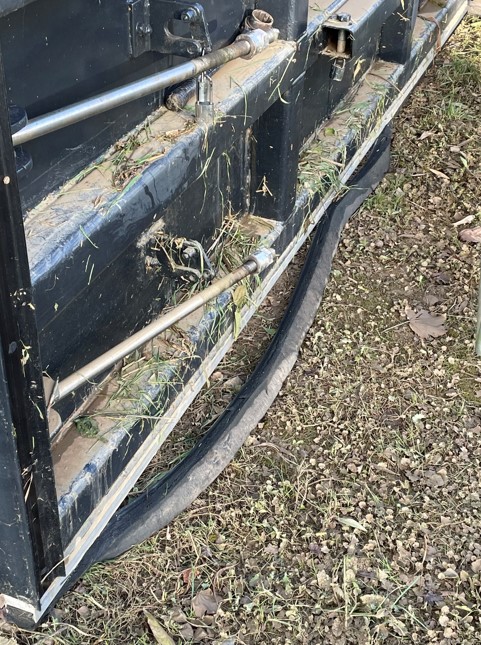
Photo of seal coming away from flood gate - supporting image
Damage to flood gates following incident
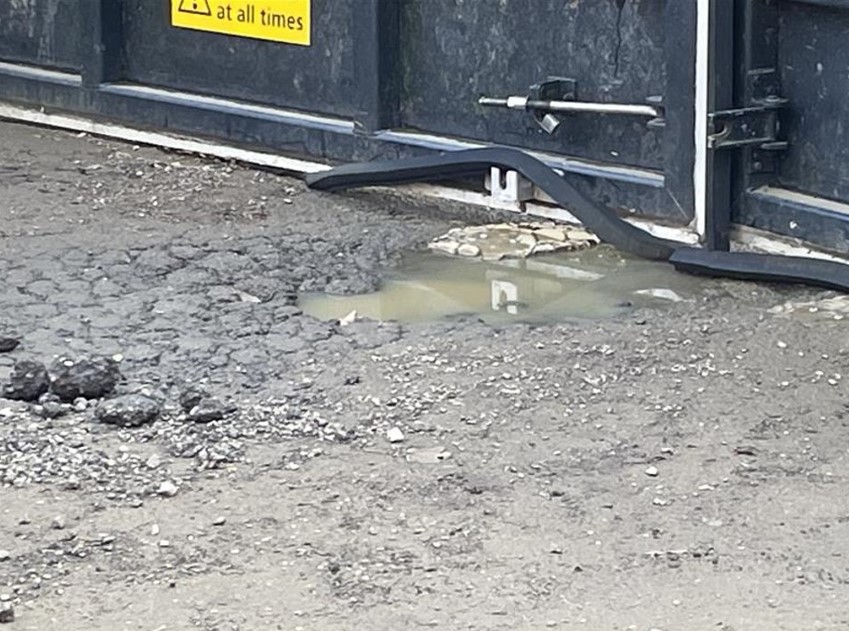
Photo of seal coming away from flood gate - supporting image

Supporting contributions and studies

Describe any human factors which influenced the incident

Members of the public assisted operatives in attempting to manually reposition gates 5 and 6 using a rope winch in order to achieve full closure. To further reduce water flow through these gates, plastic sheeting and sandbags were installed. The fire service provided additional support by pumping water away from nearby properties to help mitigate flooding impacts.


On the dry side of gates 2 and 3, a sandbag wall was constructed to contain leakage resulting from the ineffective bottom seals.


These combined actions prevented further deterioration of the situation and minimised the volume of water escaping from the flood storage reservoir, reducing the overall flooding impact on the local area.

Describe any instrumentation at the reservoir and how this was used in warning of the incident or providing monitoring during the incident

Instrumentation was effective - the river levels and telemetry system worked as designed, however, the trigger levels for operation did not give adequate time to manually close the gates for this incident, where water levels rose unexpectedly quickly. 

Was instrumentation effective leading up to and during the incident?

Yes

Describe any assistance by external parties and impacts on the downstream population

The fire service were on site and assisted with pumping flood water away from properties. 

Summary of studies or investigations undertaken

The following day, once water levels had subsided, the gates were inspected to assess any potential damage. Following the inspection, minor remedial works were identified on the gates which have subsequently been completed.


The main action to reduce the likelihood of a similar incident reoccurring has been to lower the trigger level for the gate closure. In addition, the gates which are not required for access are kept permanently closed, providing operatives with sufficient time to complete closure procedures and ensure all seals are correctly installed.


Further options are currently being evaluated to improve the gate sealing arrangements, with the aim of making the gates easier to close and more resilient.


A contingency plan has also been developed to address potential gate failure scenarios, and additional sandbags are available for deployment if required.

Supporting photos

Sandbags and plastic sealing on flood gate
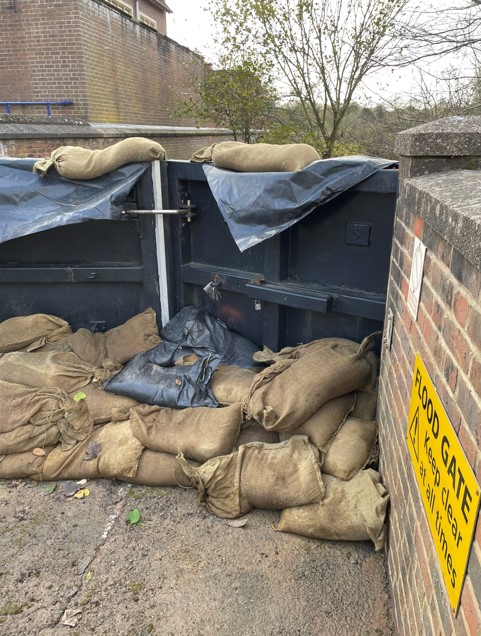
Photo of seal coming away from flood gate - supporting image

What are the lessons learnt from the incident

Lesson 1

  • Emergency response

Alarm trigger levels for gate closure should be reviewed each time they are reached to confirm that operational actions were completed within the required time frame and to determine whether any adjustments to the trigger levels are necessary.

Lesson 2

  • Emergency response

Ensure contingency measures for flood gate failure are available and referenced in Emergency On-Site Flood Plans and that all relevant staff are familiar with the associated procedures. Ensure adequate stocks of sandbags are available. During the incident, some sandbags were diverted for local property protection, which reduced availability for operational use. 

Lesson 3

  • Emergency response

Reliance on manual operation of gates has vulnerabilities and so adequate planning should be made to ensure safe and proper operation. There is a risk that human intervention could damage gates or cause risk to the operatives when used against design (for example, when hydraulic loads are already present), so suitable contingencies should be considered and risk assessed. 

Lesson 4

Closing comments

Supporting photos