Near miss from unpermitted works at toe of reservoir by third party
Publish date
12 October 2026
Case ID#
3368
Title
Near miss from unpermitted works at toe of reservoir by third party
Nation
England
Regulator reference no.
550
Legal status
Statutory
Reservoir type
Impounding
Reservoir capacity
1M - 10M m3
Year of construction
1970 - 1989
Main construction type
Earth fill embankment
Dam height
5 - 9.99 metres
Dam flood category
B
Hazard class
High-risk reservoir
Reservoir use
- Flood risk management
Owner type
Public body
Date & Time of incident
12 March 2025 - 12:00
Date incident closed
30 July 2026
Observations that caused the incident to be declared
- Other (including pollution and unplanned scour release)
Describe the incident
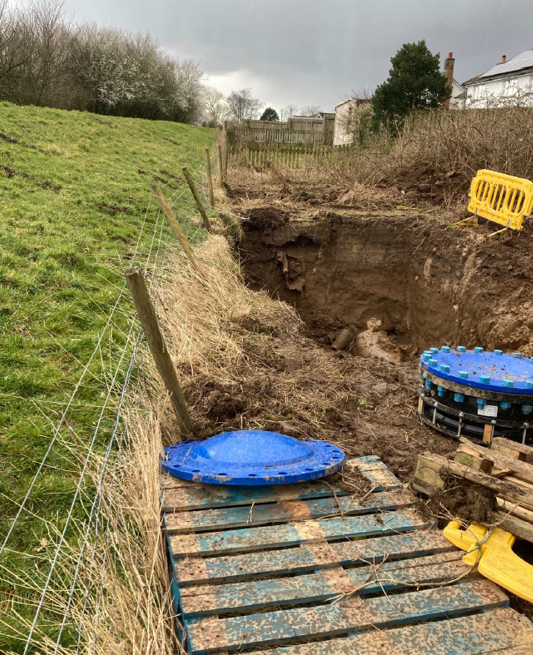
On Wednesday 12th March 2025, contractors acting on behalf of a utility company, began work to excavate and cap a derelict water pipeline at the toe of this flood storage reservoir's retaining embankments. The works involved digging a trench approximately 4m deep and 2m wide. The reservoir undertaker's staff found the excavation during routine checks on the 12th March 2025. At the time there were no contractor operatives on site. The excavation had no shoring up or support. The following day, the site was visited by undertaker staff and they spoke to the contractors doing the works. By this point, the trench had been back filled. The operatives said that they were about to re-excavate the water pipeline as they had only capped one side of the pipeline the previous day; leaving the other side open. During conversation, it was apparent there was no urgency for the works. It was determined the Environment Agency had not been notified of the works and no Flood Risk Activity Permit (FRAP) was sought. The operatives were asked to stop work and leave site. The contractors provided details of their contact at the utility company who had issued the work order. Following this, the reservoir Supervising Engineer was notified of the unpermitted works. The supervising engineer has visited site and did not find any noticeable movement in the embankment so it has been deemed a near miss. Enforcement is now being undertaken against the utility company for the unpermitted works and the undertaker is working with the Environment Agency, seeking to issue a remediation notice so that the other side of the pipeline can be capped. The supervising engineer has provided specifications on how this work is to be undertaken.
The open excavation on the landward toe of the embankment had the potential to cause sliding of the reservoir earth embankment during loading when the reservoir was in operation. This scenario did not occur as the reservoir was not needed to be operated before the works were reinstated.
Supporting photos
Natural processes which initiated or contributed to the incident
- None
What were the main contributing factors to the incident occurring?
Dam factors
External factors
- Other external factors (describe below)
Shortcomings
- Process or procedural shortcoming
What was the root cause of the incident?
The root cause of the incident was a failure of planning, risk assessment and regulatory compliance from the contractor working on behalf of a utility company. This allowed contractors to undertake excavation works adjacent to a statuary reservoir embankment without obtaining the necessary permits, consulting a Qualified Civil Engineer or without consideration for assessing the potential impact on embankment stability.
Impacts on the reservoir
- None - near miss
Supporting photos
Describe any human factors which influenced the incident
A failure to obtain a Flood Risk Activity permit prior to works adjacent to a reservoir flood bank led to this near miss.
This incident was swiftly dealt with once discovered by the undertaker's operative team and on-site Reservoir Supervising Engineer. This prevented the event worsening.
Describe any instrumentation at the reservoir and how this was used in warning of the incident or providing monitoring during the incident
Not applicable - instrumentation would not have warned of this event.
Was instrumentation effective leading up to and during the incident?
Not Applicable
Describe any assistance by external parties and impacts on the downstream population
None
Summary of studies or investigations undertaken
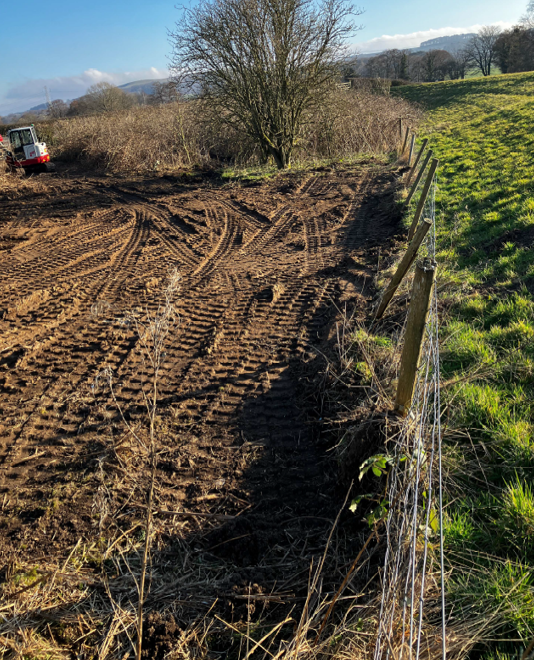
All work was paused immediately. The operator contacted the relevant Environment Agency enforcement team who undertook enforcement action to ensure remedial works were undertaken. These works commenced within 2-3days. The Supervising Engineer attended the following week to assess and was satisfied that no damage had been caused to the reservoir embankment.
A site visit held with the utility company and their Contractor to determine why the work was required and why the Undertaker had not been informed prior.
It was then agreed how works to the Pumping Station adjacent to the reservoir could be undertaken without impacting the reservoir, and the utility company agreed to shared Pre-Construction Information, Risk Assessment and Method Statements with the undertaker. This was approved by the Supervising Engineering prior to any further work commencing.
The undertaker have informed the utility company of the requirements of the Reservoir Act. They have been provided a link to the Environment Agency Asset Management map online (available on environment.data.gov.uk - search for "Asset Information and Maintenance Programme" to help when producing pre-construction information.
Supporting photos
Lesson 1
- Human factors
All third party works near main river and flood risk management assets (including flood storage area dams) must undergo permit screening for a Flood Risk Activity permit (or ordinary watercourse consent). This should flag that the asset is present and conditions to the permit may need to apply (for example, ensuring a QCE is involved).
It may be the case that contractors do realise a washland or FSR dam bank is a flood risk asset.
Lesson 2
- Surveillance and Monitoring
Regular visual checks at reservoirs sites (outside of formal inspections) are important to identify any unusual activities or changes in condition.