Breach of flood storage reservoir river embankments in exceedance event

Basic details

Publish date

19 January 2026

Case ID#

3357

Title

Breach of flood storage reservoir river embankments in exceedance event

Nation

England

Regulator reference no.

537

Legal status

Statutory

Reservoir type

Non-impounding

Reservoir capacity

500,000 - 1M m3

Year of construction

1970 - 1989

Main construction type

Earth fill embankment

Dam height

2 - 4.99 metres

Dam flood category

B

Hazard class

High-risk reservoir

Reservoir use

  • Flood risk management

Owner type

Public body

Incident details

Date & Time of incident

01 January 2025 - 12:00

Date incident closed

02 January 2025

Observations that caused the incident to be declared

  • Dam or embankment overflowing or overtopping

Describe the incident

The reservoir was operated normally on 1st January 2025 in response to rising river levels on the adjacent large river. The inlet gate to the FSR was opened in accordance with standard operating procedures.

Subsequently river levels continued to rise (highest levels on record) causing exceedance of the embankments between the river & reservoir upstream of a weir, filling the reservoir in an unconstrained manner. The Supervising Engineer observed overtopping of the embankment , and informed the undertakers incident response team. The inlet gate was switched into automatic and staff left the inlet gate structure due to risk of being cut-off by flood waters exceeding flood risk management assets in the vicinity. The Supervising Engineer attended site on 1st January during the event. 


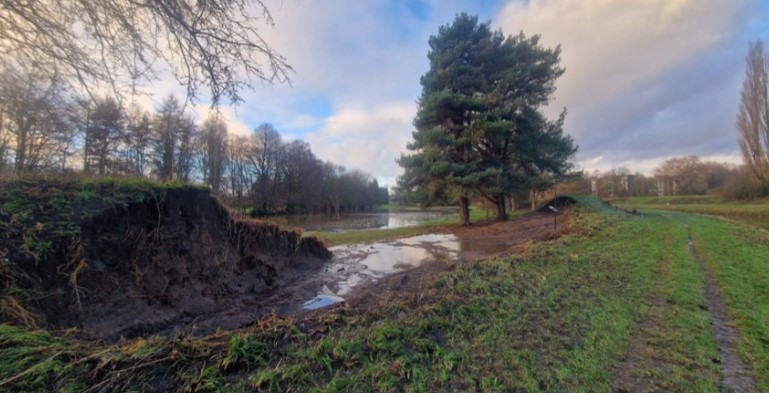
Due to the overtopping, erosion of the reservoir face of the embankment occurred leading to a breach of the embankment in multiple places. This caused impounding structures to be overtopped, however, these did not breach, and as such there was not an uncontrolled release of water from the reservoir. The exceedence event caused flooding to a nearby road and properties in various locations around the perimeter of the reservoir with residents being evacuated as required. Emergency works to install temporary embankment to protect breach location were completed in February using a helicopter to place tonne bags adjacent to the breach to reduce risk of unconstrained inflows through the breach, and create a suitable working area for permanent repair works.

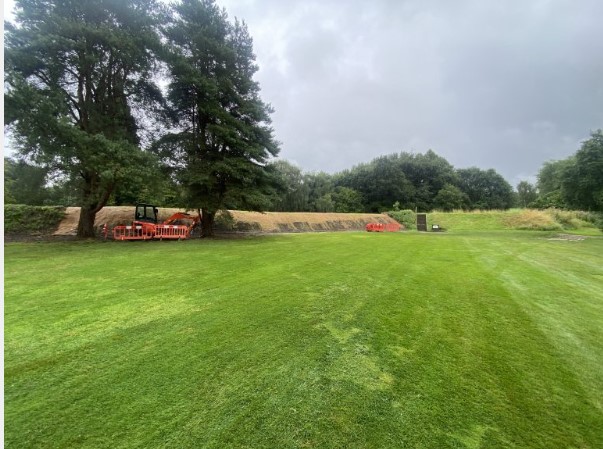
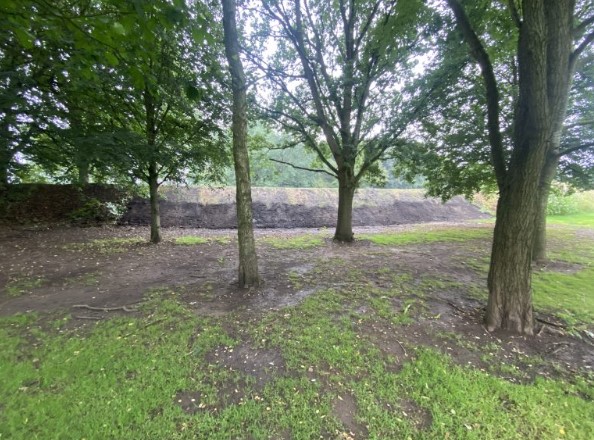
Permanent repairs to reinstate the embankment have now been completed. This involved works to seal the 40m breach and repair a total of 400m of embankment. The embankment has been reinstated with a 1 in 4 reservoir face, making it resilient to overtopping (previous embankment had ~ 1 in 1.5-2 reservoir face). Trees previously located at the toe of the embankment have been removed to ensure an appropriate clear overtopping flow route is available. 

Supporting photos

Aerial photo of embankment breach
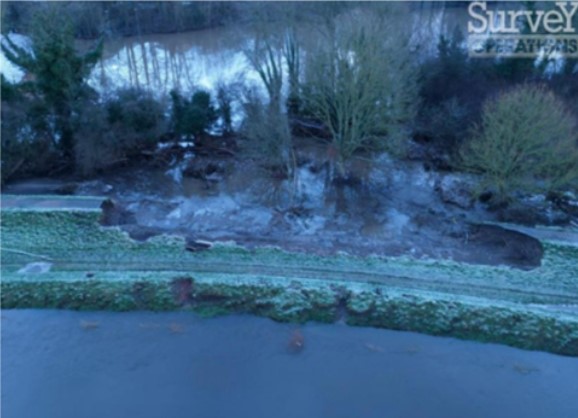
Aerial photo of embankment breach - supporting image
Photo of embankment breach
Aerial photo of embankment breach - supporting image
Photo of emergency repairs - helicopter dropping tonne bags
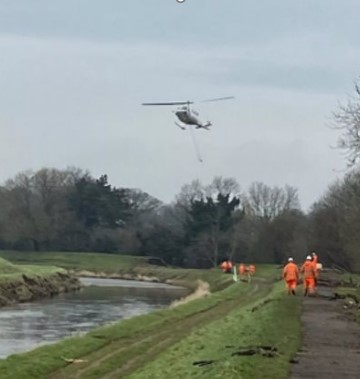
Aerial photo of embankment breach - supporting image

Causes and impacts

Natural processes which initiated or contributed to the incident

  • Flood - beyond dam design capability

What were the main contributing factors to the incident occurring?

Dam factors

  • Deterioration of materials

External factors

Shortcomings

  • Design shortcoming

What was the root cause of the incident?

Flood event exceeded design standards of embankments adjacent to the river

Impacts on the reservoir

  • External erosion

Supporting photos

Supporting contributions and studies

Describe any human factors which influenced the incident

The reservoir impounding structures were fully submerged so no actions were feasible to mitigate the event once the flood was occuring. Response staff put the inlet get to automatic and left the site for safety purposes, as there was a risk of being cut off. 

Describe any instrumentation at the reservoir and how this was used in warning of the incident or providing monitoring during the incident

Not applicable - no instrumentation 

Was instrumentation effective leading up to and during the incident?

Not Applicable

Describe any assistance by external parties and impacts on the downstream population

Local Resilience Forum members via Tactical and Strategic Co-ordinating Groups, including Local Authority  Highways and Transport. Police/Fire & Rescue carried out door knocking and evacuation.

Roads closed to traffic. Evacuation of people from affected properties including a hotel. Flood alerts/ warnings issued by the Environment Agency

Summary of studies or investigations undertaken

Immediate review of river level data, CCTV records and accounts from Supervising Engineer, Site Controllers, Operatives and members of the public were reviewed - this confirmed the timeline of events, and root cause of embankment breach. Previous smaller scale overtopping events had been observed at the location, with embankment reinstated to original design in accordance with the owners reconditioning programme standards. 

Supporting photos

Aerial photo of temporary embankment repair showing line of tonne bags shoring up embankment
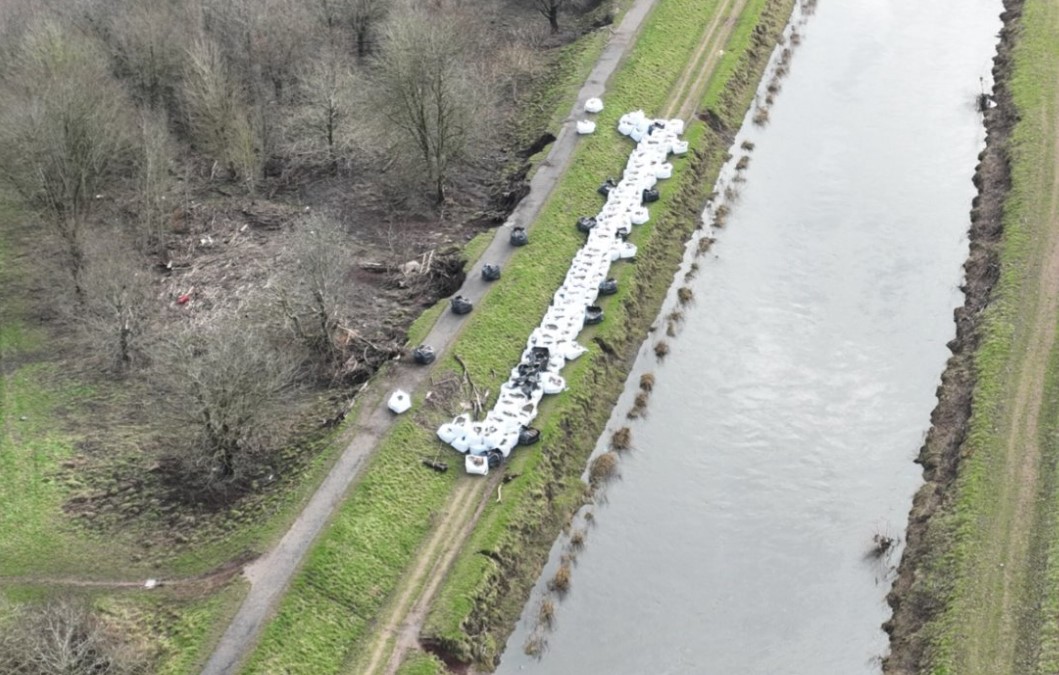
 - supporting image
Photo showing installation of access route for Aerial photo of temporary embankment repair showing line of tonne bags shoring up embankment permanent repairs
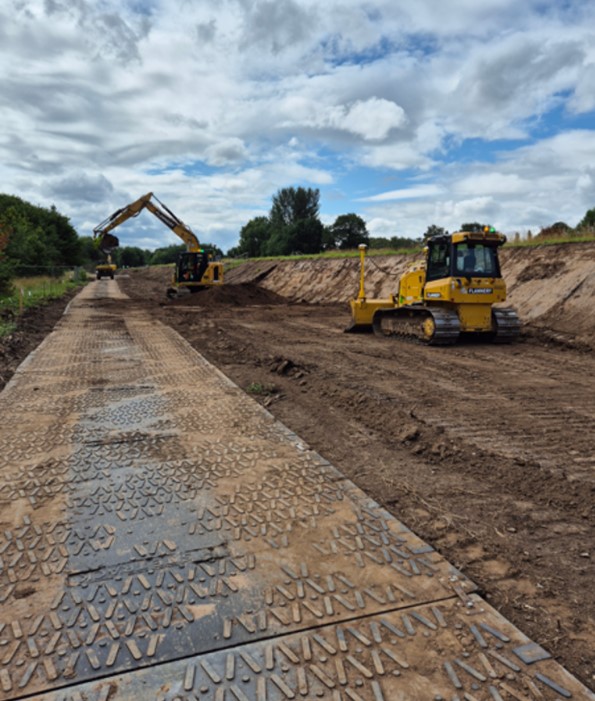
 - supporting image
Photo showing completed repairs
 - supporting image
Photo showing completed repairs
 - supporting image

What are the lessons learnt from the incident

Lesson 1

  • General design and construction

Risk of exceedance of river embankments segregating the river and reservoir needs improved consideration. Modern design requirements to consider exceedance flows were not prevalent during the 1960s & 70s when this asset was designed & constructed.

Lesson 2

  • General design and construction

Where river embankments form part of a reservoir, it is important to consider potential inflow from a breach of those banks when considering flood flow on any main barrier banks. 

Lesson 3

  • Emergency response

The public reaction to the event revealed that many people are unaware of the risk that flood defence assets may overtop. Improvements to risk communications around exceedance events could help improve offsite response. 

Lesson 4

Closing comments

Supporting photos